Stress and Anxiety Habits That Harm Mental Health Daily

Stress and anxiety are common experiences in modern life, but certain daily habits can exacerbate these conditions and negatively impact mental health. Recognizing these harmful habits is essential for cultivating emotional balance, resilience, and overall wellbeing. At Calm Minds Hub, we provide evidence-based insights to help individuals identify patterns that worsen Stress and anxiety and adopt healthier practices for sustained mental health.
- Understanding the Link Between Habits and Mental Health
- Common Daily Habits That Exacerbate Stress and Anxiety
- Psychological and Emotional Consequences
- Physical Health Implications
- Healthy Alternatives to Harmful Habits
- Preventive Measures for Long-Term Mental Health
- Integrating Healthy Habits for Sustainable Change
- Conclusion
- FAQs
Understanding the Link Between Habits and Mental Health
Habits are behaviors repeated over time, often unconsciously. While some habits promote wellbeing, others contribute to chronic stress and anxiety. The cumulative effect of harmful habits can impair emotional regulation, cognitive function, and physical health.
How Stress and Anxiety Develop
Stress is typically a response to external pressures, such as work demands or relationship challenges. Anxiety often arises internally, manifesting as persistent worry or apprehension, even without an immediate threat. Both activate the body’s stress response, influencing heart rate, hormone levels, and cognitive processes.
The Role of Daily Habits
Daily routines influence how the body and mind respond to stress and anxiety. Habits that neglect physical health, emotional regulation, or cognitive wellbeing can intensify symptoms, creating a cycle of chronic stress. Conversely, positive habits help mitigate stress responses and promote emotional resilience.
Common Daily Habits That Exacerbate Stress and Anxiety
Identifying harmful patterns is the first step toward change. Certain habits are particularly detrimental when practiced consistently.
Excessive Screen Time
Prolonged exposure to screens, especially social media, news feeds, and digital devices, increases stress and anxiety. Constant connectivity can lead to information overload, social comparison, and disrupted sleep patterns, all of which contribute to emotional strain.
Social Media and Comparison
Engaging in social media can trigger feelings of inadequacy, fear of missing out (FOMO), and negative self-evaluation. Constantly comparing oneself to curated content heightens anxiety and undermines self-esteem.
Work-Related Digital Overload
Checking emails, messages, or work notifications outside office hours prevents mental rest and blurs boundaries between work and personal life, increasing chronic stress.
Poor Sleep Hygiene
Insufficient or irregular sleep negatively impacts cognitive function, emotional regulation, and physical health. Staying up late, using electronic devices before bed, or consuming caffeine late in the day can disrupt sleep quality, exacerbating stress and anxiety.
Sedentary Lifestyle
Lack of physical activity contributes to stress and anxiety by reducing endorphin release and increasing fatigue. A sedentary lifestyle also affects cardiovascular health, weight management, and energy levels, all of which influence mental wellbeing.
Unhealthy Eating Habits
Diet significantly affects mood and energy levels. High consumption of processed foods, refined sugars, caffeine, or alcohol can lead to blood sugar fluctuations, increased physiological stress, and worsened anxiety symptoms.
Avoidance and Procrastination
Avoiding responsibilities or delaying tasks increases feelings of overwhelm and guilt. Procrastination perpetuates stress by allowing tasks to accumulate, intensifying anxiety over time.
Negative Self-Talk
Engaging in critical or pessimistic internal dialogue reinforces feelings of inadequacy and worry. Negative self-talk amplifies stress responses and impedes problem-solving abilities.
Overcommitment and Lack of Boundaries
Taking on excessive responsibilities without setting boundaries leads to chronic stress. Overcommitment leaves little time for rest, self-care, or leisure, increasing susceptibility to burnout and anxiety.
Excessive Caffeine and Stimulants
High intake of caffeine or other stimulants elevates heart rate, induces jitteriness, and can trigger anxiety. Reliance on stimulants for productivity or energy may exacerbate physiological stress responses.
Psychological and Emotional Consequences
The accumulation of harmful habits affects mental health on multiple levels.
Cognitive Impairments
Chronic stress and anxiety caused by negative habits impair memory, attention, and decision-making. Individuals may experience racing thoughts, difficulty focusing, or forgetfulness, which can further exacerbate stress.
Emotional Dysregulation
Persistent exposure to stressors without healthy coping mechanisms leads to irritability, mood swings, emotional exhaustion, and heightened sensitivity to minor stressors.
Increased Risk of Mental Health Disorders
Long-term engagement in harmful habits increases the likelihood of developing depression, generalized anxiety disorder, or panic disorder. Early recognition of these patterns is essential for prevention.
Social and Relationship Strain
Harmful habits such as withdrawal, overcommitment, or excessive screen use can damage relationships. Reduced social support and interpersonal conflict contribute to ongoing stress and anxiety.
Physical Health Implications
Mental and physical health are deeply interconnected. Daily habits that worsen stress and anxiety also affect physiological wellbeing.
Cardiovascular Stress
Poor sleep, excessive stimulants, and chronic emotional strain elevate heart rate and blood pressure, increasing the risk of cardiovascular disease over time.
Immune System Suppression
Chronic stress associated with harmful habits suppresses immune function, making the body more susceptible to infections and inflammation-related conditions.
Musculoskeletal Tension
Muscle tightness, headaches, and chronic pain often result from prolonged stress responses and sedentary habits. Physical discomfort reinforces anxiety and reduces overall wellbeing.
Digestive Disturbances
Stress and anxiety influence digestive health, potentially causing irritable bowel syndrome (IBS), nausea, and appetite fluctuations. Unhealthy eating habits further exacerbate these issues.
Healthy Alternatives to Harmful Habits
Replacing detrimental habits with positive, evidence-based strategies improves stress and anxiety management and enhances overall mental health.
Mindful Technology Use
Limiting screen time, setting boundaries for work emails, and taking digital detox breaks reduce information overload and improve focus. Mindful engagement with social media prevents harmful comparisons and supports emotional wellbeing.
Prioritizing Sleep
Maintaining consistent sleep schedules, creating a relaxing bedtime routine, reducing screen exposure before bed, and avoiding caffeine late in the day improve restorative sleep and reduce stress.
Regular Physical Activity
Incorporating exercise, stretching, yoga, or walking into daily routines promotes endorphin release, reduces cortisol levels, and enhances both physical and emotional resilience.
Balanced Nutrition
Eating nutrient-dense meals, staying hydrated, and moderating stimulants and processed foods stabilize energy levels, improve cognitive function, and support mood regulation.
Effective Time Management
Prioritizing tasks, breaking projects into manageable steps, and setting realistic goals prevent overwhelm. Time management strategies reduce procrastination and create a sense of control.
Positive Self-Talk and Cognitive Techniques
Challenging negative thoughts and practicing self-compassion strengthens resilience. Cognitive reframing, affirmations, and journaling foster healthier perspectives and reduce anxiety.
Setting Boundaries
Learning to say no, delegating responsibilities, and protecting personal time prevents burnout and supports emotional balance. Healthy boundaries enhance relationships and overall wellbeing.
Relaxation and Mindfulness Practices
Daily mindfulness meditation, deep breathing exercises, and progressive muscle relaxation reduce physiological arousal and promote calm, equipping individuals to handle stressors effectively.
Preventive Measures for Long-Term Mental Health
Preventing chronic stress and anxiety requires integrating healthy habits into daily life and maintaining proactive self-care.
Building Emotional Resilience
Cultivating adaptability, optimism, and self-awareness enhances the ability to navigate challenges. Resilient individuals recover more quickly from stress and maintain emotional balance.
Consistent Self-Care
Engaging in hobbies, leisure activities, and personal reflection supports mental health. Regular self-care prevents harmful habits from taking root and promotes overall wellbeing.
Social Connection
Maintaining supportive relationships provides emotional reassurance, reduces isolation, and encourages positive coping behaviors. Social engagement is a buffer against chronic stress and anxiety.
Professional Support
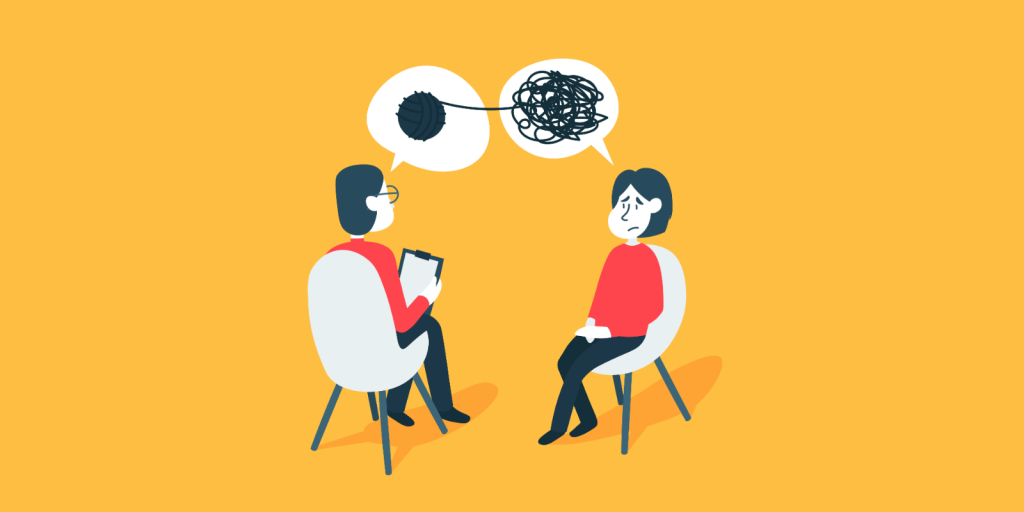
Therapists, counselors, and medical professionals provide guidance when stress and anxiety become unmanageable. Evidence-based interventions, such as CBT, mindfulness therapy, or medication, help individuals overcome harmful patterns effectively.
Creating a Supportive Environment
Organizing living and workspaces, minimizing clutter, and creating calming surroundings reduce environmental stressors and support emotional stability.
Integrating Healthy Habits for Sustainable Change
Replacing harmful habits with positive routines requires consistency, reflection, and adaptation.
Personalized Wellness Plans
Developing a plan tailored to individual needs ensures effective habit replacement. Plans may include structured routines, exercise, mindfulness, balanced nutrition, and social engagement.
Monitoring and Adjusting
Tracking triggers, behaviors, and outcomes allows individuals to evaluate progress and refine strategies. Continuous monitoring promotes proactive management and prevents relapse into harmful habits.
Flexibility and Adaptation
Life changes require flexibility in routines and coping strategies. Adjusting practices based on evolving stressors ensures sustained effectiveness.
Habit Formation and Consistency
Consistent practice of healthy habits creates long-term benefits, strengthens resilience, and supports emotional wellbeing. Small, regular changes accumulate over time to produce lasting positive effects.
Conclusion
Daily habits significantly influence stress and anxiety levels and overall mental health. Recognizing harmful patterns such as excessive screen time, poor sleep, sedentary behavior, negative self-talk, and overcommitment allows individuals to replace them with healthier routines. By incorporating mindfulness, physical activity, balanced nutrition, cognitive strategies, effective time management, social support, and preventive self-care, individuals can reduce stress, manage anxiety, and foster emotional resilience. Consistent application of these strategies promotes sustainable mental health, enhances wellbeing, and empowers individuals to navigate life’s challenges with balance and confidence. Discover more insights by visiting our homepage anytime.
FAQs
What daily habits worsen stress and anxiety?
Habits such as excessive screen time, poor sleep hygiene, sedentary lifestyle, unhealthy eating, procrastination, negative self-talk, overcommitment, and high caffeine intake can exacerbate stress and anxiety and negatively impact mental health.
How can I replace harmful habits with healthier routines?
Replacing harmful habits involves setting boundaries for technology use, prioritizing sleep, engaging in regular exercise, eating a balanced diet, practicing mindfulness, using positive self-talk, managing time effectively, and maintaining social connections.
When should professional help be considered for stress and anxiety?
Professional support is recommended when stress and anxiety persist, interfere with daily functioning, or lead to severe symptoms such as panic attacks, chronic insomnia, or emotional exhaustion. Therapists and medical professionals provide structured interventions and guidance to develop healthier habits and coping strategies.